
–

5 MIN READ
Cracking the CPAT: How to Train and Pass the Ultimate Firefighter Fitness Test

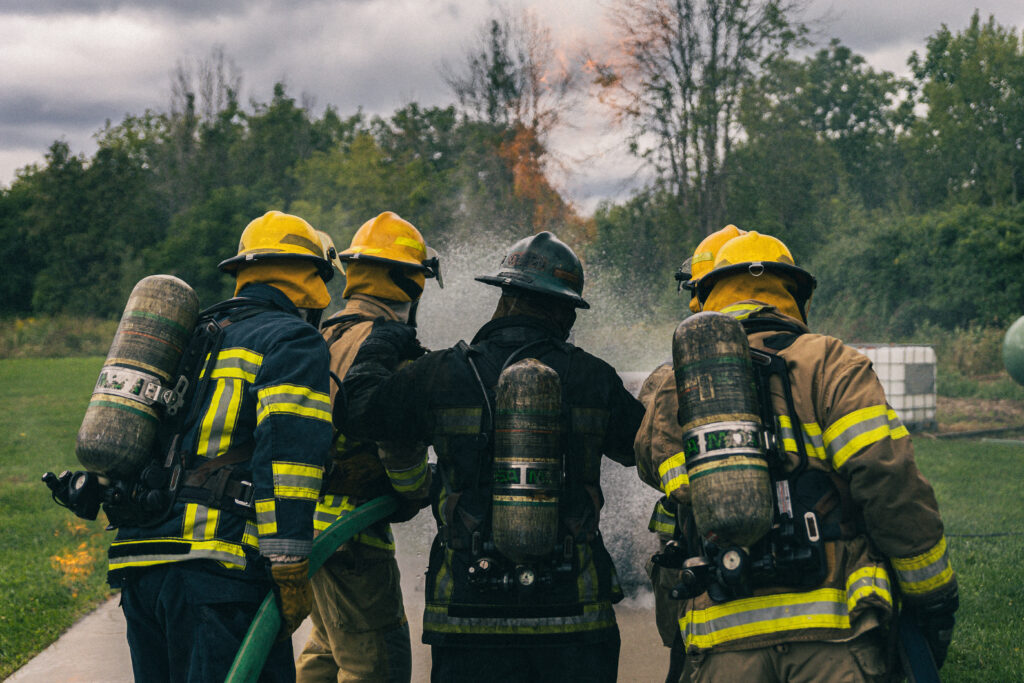
When you envision a career in firefighting, you probably picture pulling lines, breaking through doors, and carrying heavy equipment under extreme pressure. But before you can become a firefighter you must overcome the physical evaluation.
For many fire services across North America, this means mastering the Candidate Physical Ability Test, known as CPAT. Keep in mind however that some municipalities require OFAI testing instead.
The CPAT, run by Firefighter Services of Ontario, is a standardized, timed challenge consisting of eight sequential events designed to mirror the actual physical demands of the job. It is rigorous, and requires proper physical conditioning to pass.
Whether you are preparing for recruitment or currently enrolled in a pre-service training program, understanding how to conquer this firefighter physical fitness test is essential. Here is a breakdown of what to expect and how to build a firefighter fitness program that ensures you pass with flying colors.
Understanding the Test: What is the CPAT?
The CPAT consists of eight separate events performed continuously on a strict timeline. To pass, candidates must complete the entire course in 10 minutes and 20 seconds or less, all while wearing a 50-pound vest to simulate the weight of standard firefighting gear (with an additional 25 pounds added during the stair climb to simulate a high-rise pack).
The events include:
- Stair Climb (Climbing a StepMill for 3 minutes at a set pace)
- Hose Drag (Dragging a 200-foot hose line 75 feet around obstacles)
- Equipment Carry (Removing two saws from a cabinet and carrying them 75 feet)
- Ladder Raise and Extension (Raising a 24-foot extension ladder and extending it fly-section)
- Forcible Entry (Using a sledgehammer to strike a measuring device until a buzzer sounds)
- Search (Crawling through a dark, enclosed tunnel maze with obstacles)
- Rescue (Dragging a 165-pound mannequin a distance of 70 feet)
- Ceiling Breach and Pull (Pushing and pulling a weighted ceiling pike pole)
This firefighter fitness test evaluates your aerobic capacity, muscular strength, and endurance.
How to Build a Winning Firefighter Fitness Program
You cannot successfully cram for this type of assessment. Passing requires a deliberate, functional fitness program focused on building the specific energy systems used on the fireground.
If you want to dominate this fitness test firefighter candidates dread, structure your training around these four key pillars:
1. Prioritize Leg Endurance and Aerobic Capacity
The stair climb is the very first event, and it serves as the ultimate gatekeeper. Many candidates blow through their aerobic threshold in the first three minutes, leaving nothing left for the remaining seven events.
- The Fix: Incorporate weighted step-ups, stair-master intervals, and progressive rucking (walking with a weighted vest or backpack). Focus on building structural endurance in your quadriceps, calves, and glutes.
2. Develop Exceptional Grip and Upper Body Strength
Carrying heavy saws, raising extension ladders, and dragging a 165-pound mannequin require brute physical strength and a vice-like grip. If your forearms give out, you fail.
- The Fix: Integrate farmer’s walks, deadlifts, pull-ups, and heavy sled pushes/pulls into your routine. Focus on functional compounds rather than isolated bodybuilding movements.
3. Train in a Weighted Vest
The 50-pound vest changes your center of gravity, alters your biomechanics, and accelerates fatigue.
- The Fix: Once you have built a baseline of fitness, begin executing your cardiovascular and metabolic conditioning while wearing a weighted vest. Start light (15–20 lbs) and progressively work your way up to 50lbs as your joints and muscles adapt.
4. Practice Mind over Matter
The physical portion is only half the battle; the tunnel search tests your ability to stay calm under claustrophobic, high-heart-rate conditions. Training your mind to control your breathing under immense physical exertion is just as vital as building muscle.
Final Thoughts
The CPAT is a tough metric, but it is entirely fair. It tests the literal baseline of what will be required of you when lives are on the line. Treat your preparation as your first real assignment as a firefighter. Commit to a structured firefighter fitness program, embrace the sweat, and train with the intensity the job demands.
Ready to take the next step and turn your ambition into a career? Discover how Southwest Fire Academy can prepare you for the real-world rigors of the fire service. Explore our Pre-Service programs and bootcamps today.